Vista, CA Roofing Contractor for Tile, Shingle, Flat & Metal Roofs
In Vista, a roof can look fine for eight dry months and then start leaking in the first big November storm. Strong UV breaks down felt underlayment, dries out shingles, and cracks pipe boots. Santa Ana gusts loosen tiles. Most homeowners don't find out until water stains show up on the ceiling. Roof Rite catches that hidden damage and fixes it before it spreads. We repair, replace, and install residential and commercial roofs throughout Vista, and you'll get honest pricing, photo-documented inspections, and clear communication at every step.
We know Vista's roofs well. That includes 1980s concrete S-tile in Shadowridge, aging composition shingle on the ranch homes around Downtown Vista and Townsite, and steep custom tile rooflines up in Buena Creek. We handle Title 24 cool-roof rules, the Chapter 7A requirements in fire hazard zones, and HOA color approvals, so you don't have to. We serve all of Vista plus nearby North County communities, including San Marcos, Bonsall, and Oceanside.
- ✓Bonded roofing contractor
- ✓Fully insured for your protection
- ✓Financing available for repairs and full re-roofs
- ✓Free roofing estimates
- ✓Shingle, tile, flat, and metal roofing
- ✓Residential and commercial roofing
- ✓Serving Vista and communities within a 20-mile radius
Request Your Free Estimate
No obligation. Fast, honest quotes.
Thank you — your request was sent!
A member of the Roof Rite team will reach out shortly. Need help now? Call (760) 295- 6129.
Why Vista Roofs Need a Local Roofing Contractor
Vista isn't a hail or snow market. Roofs here wear out from sun, heat, wind, embers, and short, heavy storms that hit after months without rain. Add in decades of different building styles, plus state energy and wildfire codes, and you've got roofing problems a generic contractor can easily misread.
Climate: Sun, Santa Anas, and Storms After Long Dry Spells
Vista sits about 7 miles inland. Elevations run from roughly 300 feet on the valley floors to over 1,000 feet around Buena Creek and Shadowridge. The city gets only 12–14 inches of rain a year, almost all of it between November and March, and usually in a few short, intense Pacific storms. Summer highs reach the mid-80s, and heat waves top 95–100°F. UV exposure stays high all year, which steadily dries out asphalt shingles, roofing felt, sealants, and pipe boots. Morning moisture from May Gray settles on north-facing slopes and feeds moss and algae. In fall, Santa Ana winds can gust past 50 mph on ridges and through canyons. Those gusts lift tiles and shingles and carry embers during wildfires. All of that damage stays quiet until the first heavy rain shows where the roof has failed.
Built Environment: Seven Decades of Rooftops
Vista started out as avocado and citrus country, incorporated in 1963, and grew in waves. Around Vista Village and Townsite you'll find pre-war bungalows and Spanish Revival-influenced homes. The 1950s–60s ranch homes have low-slope gable and hip roofs that used to be shake or tar-and-gravel and are mostly composition shingle now. The 1970s–80s boom built Shadowridge and many tract neighborhoods, mostly stucco homes with concrete S-tile or flat tile. The 1990s–2000s subdivisions added Mediterranean-style concrete tile. Hillside estates near Buena Creek have complex, steep rooflines. Add in manufactured-home parks and the low-slope TPO and built-up roofs in the Vista Business Park, and you need a crew that's comfortable with every system. Many original 1980s–90s tile roofs are now reaching the end of their underlayment's roughly 30-year life.
Regulations: Permits, Title 24, Fire Zones, and HOAs
The City of Vista Building Division generally requires a permit for re-roofing and roof replacement, and some repairs need one too. Inspections often include a pre-cover check of the underlayment. Vista falls in California Energy Commission Climate Zone 10, so Title 24 Part 6 can require cool-roof products that meet minimum reflectance and emittance on steep-slope residential re-roofs. Parts of Vista and the nearby unincorporated hills are mapped as Very High Fire Hazard Severity Zones. In those areas, Building Code Chapter 7A generally requires Class A roof assemblies, ember-resistant vents, and bird-stops at tile eaves, and wood shake is effectively off the table. HOAs in Shadowridge and newer subdivisions usually have to approve tile profile and color before work starts. Roofers must hold a CSLB C-39 or B license, so ask any contractor for their number and confirm it.
Market: First-Time Re-Roofs and Insurance Pressure
Vista has about 100,000 residents. Many of them own 1980s–90s homes that now need their first full re-roof, which is a big and unfamiliar expense. Home values are high, but plenty of households are watching costs, so financing, phased repairs, and itemized bids matter. Wildfire-driven insurance non-renewals and inspection requirements are pushing owners toward Class A roofs and removing leftover shake. Landlords, HOAs, and manufactured-home owners want fast, documented, code-compliant work.
Common Roofing Problems in Vista, CA
Most roof failures in Vista come from the same few local causes: sun-baked materials, aging underlayment, wind, and drainage problems that only show up in a downpour. Here's what we see most often, why it happens here, and the warning signs to watch for before the next winter storm.
Failed Underlayment Under Concrete Tile (the Classic SoCal Tile Leak) Serious
Concrete and clay tiles shed most of the water, but the felt underlayment underneath is what actually keeps a home dry. Once that felt cracks, shrinks, or rots, water that gets past the tiles soaks into the roof deck. From the street, the tiles can still look perfect.
Why it's common hereThousands of Vista homes built in the 1980s and 1990s, especially in Shadowridge and Rancho Buena Vista, still have their original 30-pound felt. After 30-plus years of inland heat and nonstop UV, it's brittle. Because rain only falls from November to March, the damage stays hidden most of the year. Then a short, heavy Pacific storm pushes water through the gaps and it shows up as a ceiling stain. Homeowners are often surprised because the tiles look fine.
Signs you'll notice- Ceiling or wall stains after the first big rain
- Musty smell or damp insulation in the attic
- Daylight visible through the roof deck from the attic
- Dark, crumbling felt visible at eaves or under a lifted tile
- Rotted fascia or rafter tails at the eaves
- Leaks that move around or appear in a different spot each storm
We see this most in Shadowridge, Rancho Buena Vista, and the 1990s subdivisions in North Vista. South- and west-facing slopes take the most sun and usually fail first. Leak calls spike in the first two weeks after the season's first storm.
Our fix: Our crew removes the tiles, replaces the felt with modern synthetic or double-layer underlayment, fixes any damaged decking and flashing, and re-lays your existing tiles. We add new tiles where needed.
Santa Ana Wind Damage: Lifted, Slipped, and Broken Tiles Serious
Strong northeast winds can lift tiles and shingles, crack them, or blow them off. Loose ridge caps, slipped field tiles, and torn shingle tabs leave the underlayment exposed to sun and rain, and they let wind-driven embers get under the roofing.
Why it's common hereEvery fall, Santa Ana winds funnel through Vista's canyons and across exposed ridges, sometimes gusting past 50 mph. Homes up in Buena Creek, the Foothill Drive/Hilltop area, and higher parts of Shadowridge get hit hardest. Older tile roofs that were never fastened to current standards are especially vulnerable, and so are roofs where mortar at the ridges and hips has dried out and cracked over decades of sun.
Signs you'll notice- Tile pieces or ridge mortar in the yard or gutters
- Tiles visibly out of line or sliding downslope
- Missing or creased shingle tabs
- Exposed black felt between tiles
- Rattling or clicking sounds on windy nights
- Gaps at ridge caps and hip lines
Hillside custom homes near Buena Creek and Breeze Hill, ridge-top lots off Foothill Drive, and the eastern edge of Shadowridge get the most wind damage. Calls come in during October through December wind events, often just before the rains start.
Our fix: We replace broken tiles with the closest profile match we can find, re-fasten loose tiles, and rebuild ridges and hips using modern mechanical fastening or foam adhesives. Then we check the underlayment for exposure.
Active Storm Leaks Requiring Emergency Tarping Emergency
Water is coming into the living space during or right after a storm. It might be dripping through a light fixture, soaking drywall, or pooling on the floor. Without fast temporary protection, the leak can damage the ceiling, insulation, electrical, and flooring within hours.
Why it's common hereVista gets most of its yearly rain in just a few storms, and they often land on roofs that have been dry for months. Hidden weak spots like cracked felt, failed pipe boots, and clogged valleys all give out at the same moment across thousands of homes. Emergency demand spikes, and out-of-area storm chasers move in. A local contractor who can tarp quickly and come back for a proper repair makes a real difference.
Signs you'll notice- Water dripping from ceilings, light fixtures, or vents
- Sagging or bubbling drywall
- Water running down interior walls
- Wet attic insulation during rain
- Sparks or flickering near wet fixtures (shut off power right away)
Emergency calls cluster across every neighborhood during the first major storm, especially older homes in Townsite and Downtown Vista and aging tile roofs in Shadowridge. Steep hillside lots take extra safety planning to tarp during active weather.
Our fix: We tarp and secure the leak area, photograph the damage for your insurance claim, and then schedule a permanent repair once the weather clears.
Brittle, Sun-Baked Composition Shingles Moderate
Asphalt shingles lose their oils and protective granules under constant UV and heat. As they age they curl, crack, and turn brittle, and they lose their seal. That makes them easier for wind to blow off and less able to shed water.
Why it's common hereMost of Vista's 1950s–60s ranch homes originally had shake or tar-and-gravel roofs and were later re-roofed with comp shingle. Many of those replacements are now 20–25 years old. Inland summer highs in the mid-80s and heat waves above 100°F bake low-slope roofs, especially when attic ventilation is poor. Shingles that might last longer in a milder climate wear out sooner here.
Signs you'll notice- Curling or cupping shingle edges
- Bald spots and heavy granule buildup in gutters
- Cracked or split shingles
- Shingles that snap instead of bending
- Uneven, faded color across the slopes
- Raised nail heads poking through
This is common on single-story ranch homes along the Sycamore Avenue corridor, in Monte Vista, and around Downtown Vista and Townsite. Low-slope gable and hip roofs facing south and west show the worst wear.
Our fix: For limited wear, we do targeted shingle replacement and resealing. Aging roofs get a full tear-off and a new, cool-rated Class A shingle system that meets Title 24.
Deteriorated Flashing, Pipe Boots, and Sealants Moderate
Flashing is the metal and rubber detailing around chimneys, skylights, walls, valleys, and plumbing vents. When it corrodes, separates, or cracks, water gets in at the very joints where the roof is most vulnerable.
Why it's common hereConstant Southern California UV breaks down rubber pipe boots and caulk-based sealants much faster than most homeowners expect, often within 10–15 years. Morning marine-layer moisture and slow ground movement in Vista's expansive clay and decomposed-granite soils add stress. As a house shifts slightly over decades, the joints between the roof and walls, chimneys, and skylights pull apart.
Signs you'll notice- Cracked or split rubber collars around vent pipes
- Rusted or lifted chimney or wall flashing
- Gaps or dried caulk around skylights
- Stains on ceilings near chimneys or skylights
- Leaks only during wind-driven rain
We see this on older homes with masonry chimneys in Townsite and Vista Village, skylight-heavy 1980s homes in Shadowridge, and hillside homes on expansive soils near Breeze Hill and Buena Creek.
Our fix: We replace failed pipe boots, re-flash chimneys, skylights, and walls with properly lapped metal and modern underlayment, and stop relying on caulk as the main seal.
Leftover Wood Shake and Non-Class-A Roofing in Fire Zones Serious
Wood shake roofs, plus roofs without ember-resistant vents or eave bird-stops, are a serious wildfire liability. Wind-blown embers can lodge in shake, in open tile ends, or in vents and ignite the attic.
Why it's common hereSome older Vista homes still have original or partial shake roofs. Parts of the city and nearby unincorporated hills are mapped as Very High Fire Hazard Severity Zones, where Chapter 7A requires Class A assemblies and wood shake effectively isn't allowed for re-roofing. Insurers in California are non-renewing policies or requiring inspections, and a shake roof or open eaves can put your coverage at risk.
Signs you'll notice- Gray, split, or cupped wood shakes
- Moss or debris built up between shakes
- Open tile ends at the eaves with no bird-stop
- Standard mesh vents rather than ember-resistant vents
- Insurance inspection notices or non-renewal letters
This is most urgent on chaparral-edge and hillside properties near Buena Creek, the eastern hills, Foothill Drive/Hilltop, and toward Bonsall. Older custom homes in the Vista Valley Country Club area are another place we find leftover shake.
Our fix: We tear off the shake and install a Class A tile, comp, or metal assembly, add ember-resistant vents and eave bird-stops, and document everything for your insurer.
Ponding and Worn Coatings on Flat, Low-Slope, and Mobile Home Roofs Minor
Low-slope roofs depend on continuous membranes or coatings and good drainage. When coatings chalk away, seams open, or water sits in low spots, the roof starts to wear out faster and small leaks show up.
Why it's common hereVista has many manufactured-home parks and a big inventory of low-slope commercial buildings in the Vista Business Park. High UV breaks down elastomeric coatings and TPO seams. Then the few heavy storms each winter dump a lot of water at once on roofs with clogged drains or sagging spots, and water that sits for days finds every weak seam.
Signs you'll notice- Water standing more than 48 hours after rain
- Chalky, cracked, or peeling roof coating
- Blisters or bubbles in the membrane
- Open or lifting seams
- Debris-clogged drains and scuppers
- Interior stains near HVAC curbs
We see this often in Vista's mobile home parks, on commercial and industrial roofs in the Vista Business Park, and on 1950s–60s homes with low-slope additions or patio covers.
Our fix: We clean and re-coat aging surfaces, repair seams, improve drainage, and recommend a roof-over or new membrane when coating alone won't do the job.
Roofing Services in Vista, CA
Roof Rite handles the full life of your roof, from the first inspection to routine maintenance, repairs, and a full replacement when it's time. We install and service shingle, tile, flat, and metal systems, and we use durable materials made for Southern California sun and Vista's wet-season storms.
Roof Repair
We find and fix leaks, broken or slipped tiles, damaged shingles, failed flashing, cracked pipe boots, and storm damage. The goal is to stop the problem at its source, not just patch the stain you can see.
Our approachWe start with leak detection: attic inspection, water tracing, and close-up photos. Then we do targeted repairs with matched materials, proper metal flashing instead of caulk, and careful foot placement on tile to avoid breaking more.
In Vista, CAIn Vista, many repairs come down to UV-worn pipe boots, wind-lifted tiles after a Santa Ana event, and flashing that's pulled apart on homes sitting on shifting clay soils. We source salvaged or close-match tile for discontinued 1980s profiles common in Shadowridge.
Best for: Homeowners with a specific leak, isolated storm or wind damage, or a roof that still has years of life left. These repairs cost a fraction of a full replacement.
Roof Replacement ⭐ Specialty
We fully tear off and replace aging or failing roofs. That includes tile underlayment replacement, where we lift your existing tiles, install new underlayment, and re-lay them, as well as complete conversions to new tile, shingle, or metal.
Our approachWe pull permits, remove the old roofing down to the deck, repair any rotted sheathing, and install synthetic underlayment, new flashing, and proper ventilation. Everything is inspected before the new roofing goes on, and we finish with a full cleanup.
In Vista, CAThis is the big one for Vista's 1980s–90s homes facing their first re-roof. We handle Title 24 cool-roof compliance for Climate Zone 10, Class A and Chapter 7A requirements in fire hazard zones, and HOA color and profile submittals in Shadowridge and newer subdivisions.
Best for: Roofs with failed underlayment, widespread shingle wear, leftover wood shake, or repeated leaks. It's also a good fit for owners facing insurance pressure to upgrade to a Class A roof.
Roof Installation
We install new roofing systems for additions, new construction, ADUs, and full material upgrades. Options include concrete and clay tile, architectural shingle, standing-seam and stone-coated metal, and low-slope membranes.
Our approachWe match the system to your roof pitch, structure, and budget, then install it to manufacturer specs with proper underlayment, ventilation, and flashing. That protects your manufacturer warranty eligibility and passes city inspection.
In Vista, CAMany Vista homeowners are adding ADUs and room additions. We tie new roofs into existing tile or shingle so they blend in, and we recommend cool-rated, ember-resistant materials that handle inland heat and wildfire exposure near Buena Creek and the eastern hills.
Best for: New ADUs, home additions, custom builds, and homeowners switching materials, such as going from comp shingle to metal or tile.
Roof Inspection
We do thorough roof evaluations with photo documentation and a written summary of condition, remaining life, and recommended repairs. That's useful for pre-season checkups, home purchases and sales, insurance requirements, and getting a second opinion.
Our approachWe check the surface, flashing, penetrations, valleys, ventilation, and the attic. On tile, we lift sample tiles to look at the underlayment underneath, so you get evidence rather than guesswork.
In Vista, CATile roofs in Vista often look fine from the street even when the felt underneath has failed. Our photo reports show what's really going on, which helps with insurance wildfire inspections and helps you decide whether to repair or replace.
Best for: Buyers and sellers, homeowners before the November rains, anyone with an insurance inspection notice, and owners who want an honest second opinion.
Roof Maintenance
Routine roof care: debris and gutter cleaning, replacing cracked tiles, resealing penetrations, checking flashing, and catching small problems before they turn into costly leaks.
Our approachWe set up scheduled visits, usually in the fall before the rainy season, to clear valleys and gutters, swap out broken tiles, replace aging pipe boots, and touch up coatings on low-slope roofs.
In Vista, CAA fall visit makes sense in Vista. It clears the leaves and debris left by summer and the Santa Anas, deals with moss from May Gray on north slopes, and gets your roof ready for the first storm after months of dry weather.
Best for: Homeowners who want to stretch their roof's life, landlords and HOAs managing multiple roofs, and mobile home owners with coated roofs.
Commercial Roofing
We repair, maintain, re-coat, and replace low-slope commercial roofs, including TPO, modified bitumen, built-up, and elastomeric coating systems, for offices, warehouses, retail, and multifamily buildings.
Our approachWe survey the roof, find the leaks, and lay out options from targeted repair to coating restoration or full replacement. We schedule work to keep disruption to tenants and operations as low as possible.
In Vista, CAWe serve industrial and flex buildings in the Vista Business Park, retail along the Sycamore Avenue corridor, multifamily properties, and manufactured-home parks, where Southern California sun is hard on seams and coatings.
Best for: Property managers, business owners, HOAs, and landlords who need documented, code-compliant work done on a predictable schedule.
Emergency Roofing ⭐ Specialty
When a storm or wind event opens up your roof, we respond fast. We secure the roof with tarps, stop water from coming in, and document the damage so your home and your insurance claim are protected.
Our approachWe safely tarp and seal the affected area, photograph the damage inside and out, and then come back with a written repair plan and estimate once the weather allows.
In Vista, CAVista's first big storm of the season, and sometimes a hard Santa Ana wind event, can bring a flood of leak calls. As a local contractor, we're here before and after storm chasers come and go, including on hard-to-reach hillside lots.
Best for: Active leaks, wind-blown tiles or shingles, fallen branches, and any damage that's exposing your home to the weather.
How Our Roofing Process Works
No surprises and no high-pressure sales pitch. Here's what happens from your first call to final cleanup, and the Vista-specific details we handle along the way.
Free Estimate & Roof Inspection
- We talk through your concerns and your roof's history
- Full roof and attic inspection, lifting sample tiles where needed
- Photos of every issue we find
- Notes on access, slope, and safety needs
Local note: We check whether your property is in a fire hazard zone, has an HOA, or falls under Title 24 cool-roof rules, since those affect your options.
Clear, Itemized Proposal
- Written estimate showing materials, labor, and permit costs separately
- Repair vs. replacement options explained honestly
- Material choices that meet code and HOA guidelines
- Financing options reviewed if you want them
Local note: For 1980s–90s tile roofs, we explain the difference between re-laying your existing tile on new underlayment and replacing the tile entirely.
Permits, HOA Approval & Scheduling
- We file City of Vista building permits where required
- We prepare HOA submittals with tile profile and color samples
- We order materials and confirm availability of matching tile
- We schedule around weather and summer heat
Local note: Shadowridge and newer subdivision HOAs often need architectural approval before work can start, so we build that into the schedule.
Professional Installation
- We protect landscaping, driveways, and AC units
- Tear-off, deck repair, and new underlayment and flashing
- Underlayment inspection by the city where required
- New roofing installed, with daily cleanup
Local note: On steep hillside lots and long driveways near Buena Creek, we plan staging and debris hauling ahead of time and follow Cal/OSHA fall-protection rules.
Final Inspection, Cleanup & Walkthrough
- Magnetic nail sweep and full debris removal
- City final inspection where a permit was required
- Walkthrough with before-and-after photos
- Manufacturer warranty paperwork and care tips handed over
Local note: We provide documentation you can share with your insurer, which matters more and more with wildfire-related policy reviews in North County.
Why Vista Homeowners and Businesses Choose Roof Rite
We Know Vista Roofs
Vista's roofs aren't like roofs in other places. We know the 1980s concrete S-tile in Shadowridge, the converted ranch roofs around Townsite and Monte Vista, the steep custom tile up in Buena Creek, and the low-slope roofs in the Vista Business Park. We understand how 12–14 inches of rain packed into a few winter storms exposes weak spots that stayed hidden all summer, and how Santa Ana gusts go after loose ridge caps. That local knowledge helps us find the real cause of a problem faster and recommend repairs that actually hold up.
Bonded and Insured, So You're Protected
Roof Rite is bonded and insured. If something unexpected happens on your property, you're not left carrying the risk. That matters in a market with plenty of unlicensed handymen and out-of-area storm chasers, especially after a big storm. Before hiring any roofer, check their CSLB license, bond, and workers' comp status on the state's website. We encourage that kind of checking, because a trustworthy contractor should be comfortable being verified. Ask us for any documentation you'd like to see.
Honest Inspections With Photo Proof
Tile roofs in Vista often look fine from the street while the underlayment underneath is failing, so a recommendation to lift and re-lay tile can sound like an upsell. We don't ask you to just take our word for it. Our inspections include photos of the underlayment, flashing, and decking so you can see what we see. If a repair will buy you several more good years, we'll say so. If replacement really makes more sense, we'll show you why.
Transparent, Itemized Pricing
A first full re-roof is a big expense, and many Vista owners of 1980s–90s homes are facing one for the first time. Our proposals break out materials, labor, tear-off, deck repair, and permit costs so you know exactly what you're paying for. We'll lay out good-better-best options when they exist and point out where phased repairs might work. We don't use vague lump sums or pressure tactics, and we're upfront about possible extra costs, like replacing rotted decking, before the job starts.
Financing Available for Repairs and Re-Roofs
A roof shouldn't wait just because the budget is tight. Roof Rite offers financing, so you can handle urgent repairs or a full replacement now instead of risking water damage during the next storm. That's especially helpful for homeowners facing insurance-driven upgrades, like replacing leftover wood shake with a Class A roof. We'll walk you through the options during your estimate so you can choose the payment approach that fits your household.
Every Roof Type, Residential and Commercial
Shingle, concrete and clay tile, flat and low-slope, and metal: our team works on all of them. You don't need a different contractor for your tile home, your rental with a comp roof, your mobile home's coated roof, or your business's TPO roof. We match materials to your roof pitch, wildfire exposure, Title 24 cool-roof requirements, and HOA guidelines, and we install them to manufacturer specs so your material warranty stays protected.
Fast Emergency Response From a Local Crew
When the first heavy storm hits Vista and water starts coming through the ceiling, you need someone who'll actually answer the phone. We provide emergency tarping and leak control, document the damage for your insurance claim, and come back for a proper permanent repair. We serve Vista and communities within a 20-mile radius, so we're here before and after storm season.
A Roofing Contractor Vista Can Count On
Vista homeowners, landlords, and businesses rely on Roof Rite for dependable work, honest recommendations, and clear communication from the first inspection to final cleanup.
Bonded • Insured • Financing available
Roofing Service Areas in and Around Vista
Roof Rite is based in Vista and serves every neighborhood in the city, from historic downtown bungalows to hillside estates and business park rooftops. We also serve nearby North County communities within about 20 miles.
Central & North Vista
South & East Vista Hills
Nearby North County Communities
We serve Vista and communities within about a 20-mile radius. If you're not sure whether we cover your address, contact us and we'll let you know. Not sure if we cover your area? Call (760) 295-6129.
How Much Does a Roof Cost in Vista, CA?
Roofing costs in Vista depend on your roof type, its size and pitch, how much hidden damage turns up, and local code requirements. The ranges below are typical for North County San Diego. Your free estimate will give you an exact, itemized price.
Roofing Material & System Primary Factor
Material has the biggest effect on price. Composition shingle is usually the most affordable full replacement. Re-laying your existing concrete tile on new underlayment costs more because of the labor involved. New concrete or clay tile and standing-seam metal sit at the top of the range. Flat roofs vary depending on whether you choose a coating, TPO, or modified bitumen. Title 24 cool-roof products and Class A assemblies can also affect which products work for your home.
Roof Size, Pitch & Complexity Primary Factor
Roofs are priced by the square (100 sq ft). A simple single-story ranch roof near Townsite costs far less per square than a steep, multi-hip roof on a Buena Creek hillside custom home with valleys, dormers, and skylights. Steeper pitches need more safety equipment and slower work under Cal/OSHA fall-protection rules, and every valley, chimney, or skylight adds flashing labor.
Hidden Deck & Structural Damage Secondary Factor
Until the old roofing comes off, nobody can see exactly how much plywood or skip sheathing has rotted. That's especially true on 1980s–90s tile roofs where failed felt let water in for years. We price decking replacement per sheet in advance so it's clear what any extra cost will be. Older homes with skip sheathing may need new plywood decking to meet current code.
Permits, Code Upgrades & HOA Requirements Secondary Factor
City of Vista permit fees, required inspections, Chapter 7A fire-zone requirements like ember-resistant vents and eave bird-stops, and HOA-specified tile profiles or colors all add to the cost. Upgrades that bring an older roof up to current code, such as better attic ventilation or required underlayment, are part of doing the job right, and we list them separately in your proposal.
Access, Tear-Off & Disposal Variable Factor
Long driveways, steep hillside lots, and tight side yards make it harder to stage materials and haul debris. Removing multiple layers of old roofing, or tearing off heavy tile and shake, raises labor and dumpster costs. Easy-access homes in flatter neighborhoods usually come in lower.
| Typical project | Details | Estimated range |
|---|---|---|
| Leak repair or pipe boot and flashing fix | Single leak source, cracked tiles or failed vent boot, any Vista neighborhood | $450 – $1,800 |
| Comp shingle replacement on a ranch home | About 1,600 sq ft single-story home, tear-off, new underlayment, Class A cool-rated architectural shingle | $13,000 – $22,000 |
| Tile underlayment replacement (lift and re-lay) | About 2,000 sq ft 1980s Shadowridge home, existing concrete tile reused, new synthetic underlayment and flashing | $16,000 – $30,000 |
| Commercial low-slope roof coating or TPO re-roof | About 8,000 sq ft Vista Business Park building; coating restoration on the low end, full TPO replacement on the high end | $28,000 – $95,000 |
Financing is available on both repairs and full replacements, so you can protect your home now and pay over time. Ask about options during your free estimate. A sound roof protects one of Vista's most valuable assets: your home. Fixing failed underlayment or upgrading to a Class A roof now usually costs far less than the drywall, insulation, and mold repairs that follow a winter leak. It can also help with insurance renewals.
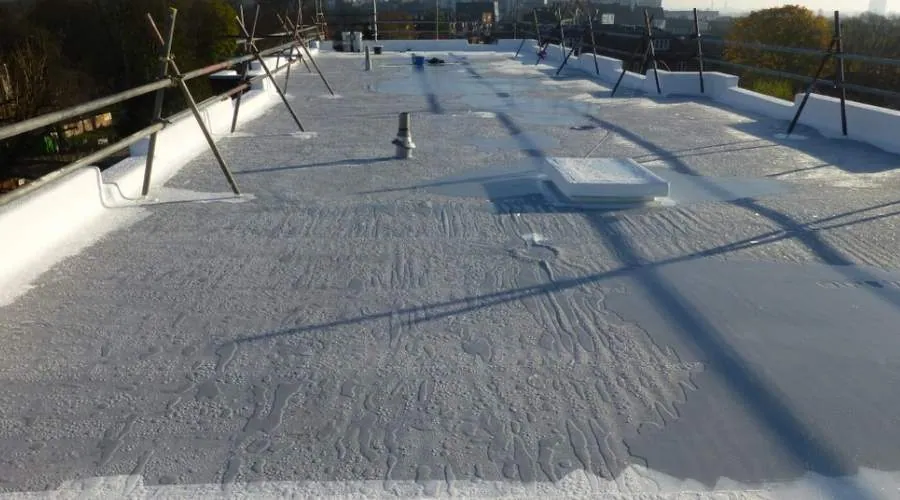
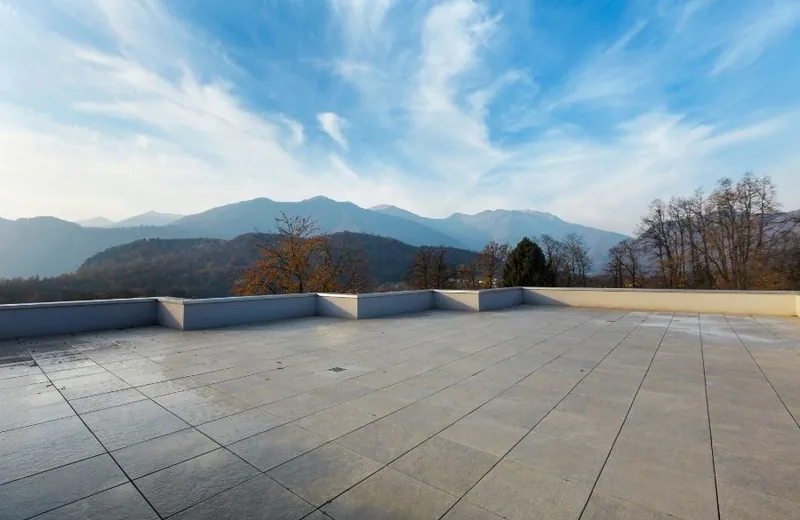
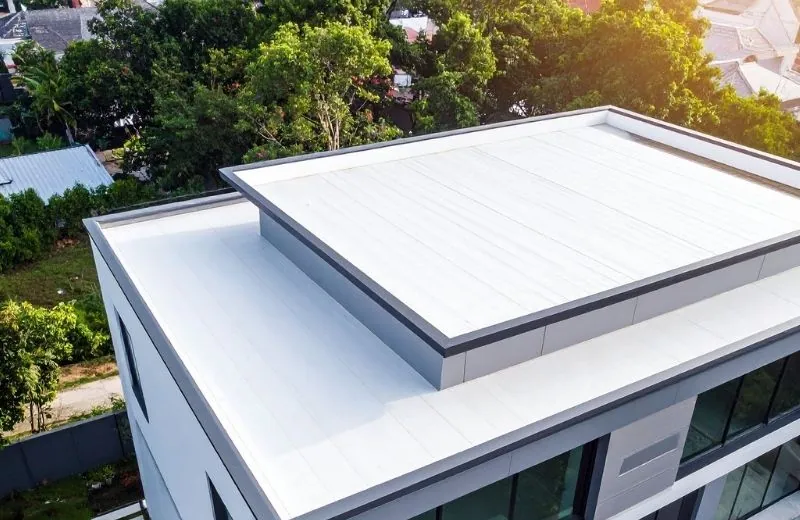
Recent roofing Projects in Vista, CA

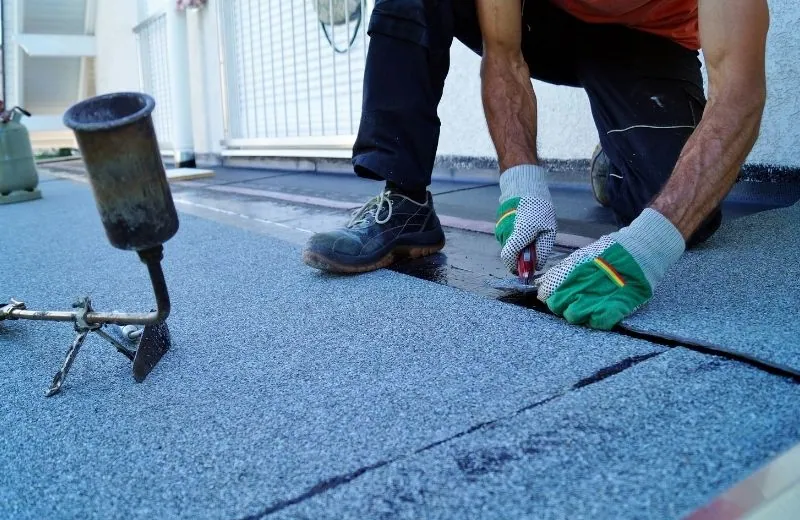
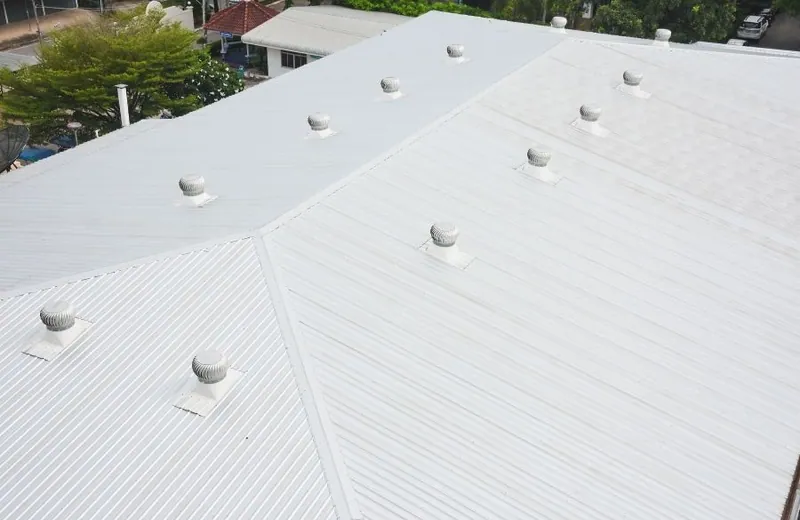
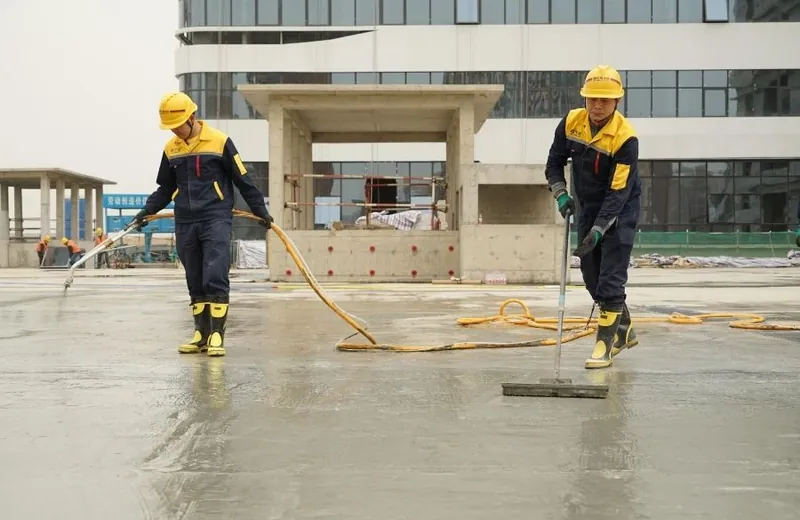

Vista Roofing FAQs
How much does a new roof cost in Vista?
Most full residential roof replacements in Vista cost somewhere between about $13,000 and $40,000+. Where yours lands depends on the material, roof size, pitch, and how much decking needs replacing. A comp shingle re-roof on a 1,600 sq ft ranch home usually falls between $13,000 and $22,000. Lifting and re-laying concrete tile on new underlayment for a 2,000 sq ft home runs about $16,000 to $30,000, and new tile or metal costs more. Permit fees, fire-zone requirements, and HOA-specified materials also affect the price. We provide free itemized estimates, and financing is available.
My tile roof looks fine. Why is it leaking?
The tiles probably aren't the problem. Concrete tile can last 50 years or more, but the felt underlayment underneath was typically good for about 25–30 years in Vista's heat and UV. Many 1980s–90s homes in Shadowridge, Rancho Buena Vista, and North Vista still have their original felt, and it's now brittle and cracked. When a heavy winter storm drives water past the tiles, there's nothing left to stop it. The fix is usually lifting the tiles, installing new underlayment and flashing, and re-laying your existing tile. We show you photos of the underlayment so you can see the condition for yourself.
Do I need a permit to replace my roof in Vista?
Yes, in most cases. The City of Vista Building Division generally requires a building permit for re-roofing and roof replacement, and some larger repairs need one too. Inspections often include a check of the underlayment before the new roofing goes on. Re-roofs must also meet the California Residential Code and Title 24 energy rules, which can require cool-roof products in Climate Zone 10. In Very High Fire Hazard Severity Zones, Chapter 7A requires Class A roofing and ember-resistant vents. We handle the permits and inspections for you.
How long does a roof replacement take?
Most single-family re-roofs in Vista take about 2 to 7 working days once work begins. A simple comp shingle roof on a single-story home can be done in two or three days. Tile underlayment replacement and steep, complex hillside roofs take longer. Before work starts, allow roughly 1–3 weeks for permits, material ordering, and HOA approval if your neighborhood needs it. Repairs usually take a few hours to a day. Weather and summer heat waves can affect the schedule, and we'll keep you updated.
When is the best time to repair or replace a roof in Vista?
Late summer and early fall, before the November rains, is ideal. That gives you time to fix weak spots before the first storm, when emergency demand spikes and schedules fill up. That said, you shouldn't put off a known problem. Act right away if you see ceiling stains, broken or slipped tiles after a Santa Ana wind event, curling shingles, granules in your gutters, or if you've gotten an insurance inspection notice. Spring is also a good time for planned replacements. Waiting until water is coming in nearly always costs more.
How can I prevent roof leaks during Vista's rainy season?
Schedule a professional inspection and maintenance visit in early fall. Clear leaves and debris from gutters, valleys, and drains, especially after the Santa Anas. Replace cracked tiles and UV-worn pipe boots, and have flashing around chimneys and skylights checked. Trim back branches that rub the roof or drop debris. Keep people off tile roofs, since every step can crack a tile. If your home has original 1980s–90s underlayment, plan ahead for replacement. On flat or mobile home roofs, re-coat before the coating wears through.
Do I need a Class A or fire-resistant roof in Vista?
If your home is in a CAL FIRE Very High Fire Hazard Severity Zone, which covers parts of Vista and nearby unincorporated hills like Buena Creek and areas toward Bonsall, Chapter 7A generally requires a Class A roof assembly, ember-resistant vents, and bird-stops at tile eaves on a re-roof. Wood shake effectively isn't allowed. Even outside those zones, many insurers now look closely at roof type when deciding on renewals. Tile, Class A comp shingle, and metal can all meet the standard. We'll check your property's status and document the upgrade for your insurer.
Should I repair or replace my roof?
It depends on the roof's age, how widespread the damage is, and what's underneath. If the problem is isolated, like a few broken tiles, one failed pipe boot, or wind damage on one slope, and the underlayment is still sound, a repair is usually the smart choice. If you're getting leaks in several places, the shingles are brittle across the whole roof, the tile underlayment is 30+ years old, or you have wood shake in a fire zone, replacement makes more sense over the long run. Our inspection includes photos and an honest recommendation either way.
Serving Vista, CA & Nearby
Get Your Free Vista Roofing Estimate Today
Don't wait for the next winter storm to show you where your roof is failing. Schedule an honest, photo-documented inspection with Roof Rite and know exactly where your roof stands.
- ✓Free, no-pressure roofing estimate
- ✓Photo-documented inspection showing what we find
- ✓Clear, itemized pricing with no surprises
- ✓Bonded and insured roofing crew
- ✓Financing available on repairs and replacements
- ✓Permit, Title 24, fire-zone, and HOA requirements handled for you
- ✓Expertise with shingle, tile, flat, and metal roofs
⚡ Active leak or storm damage? Call us now. We'll tarp and secure your roof, document the damage for your insurance claim, and schedule a permanent repair.
Bonded • Insured